

Art Collection

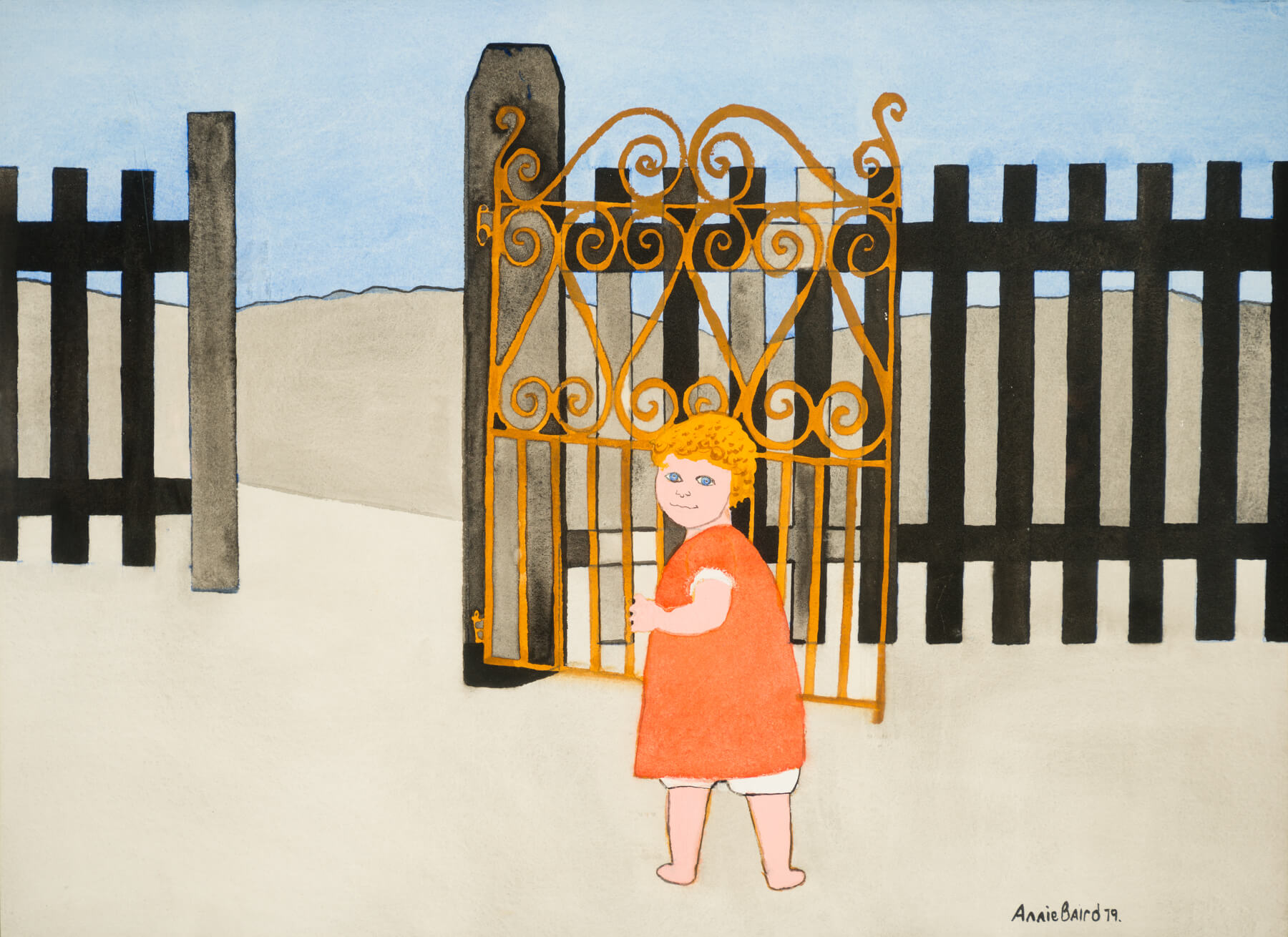
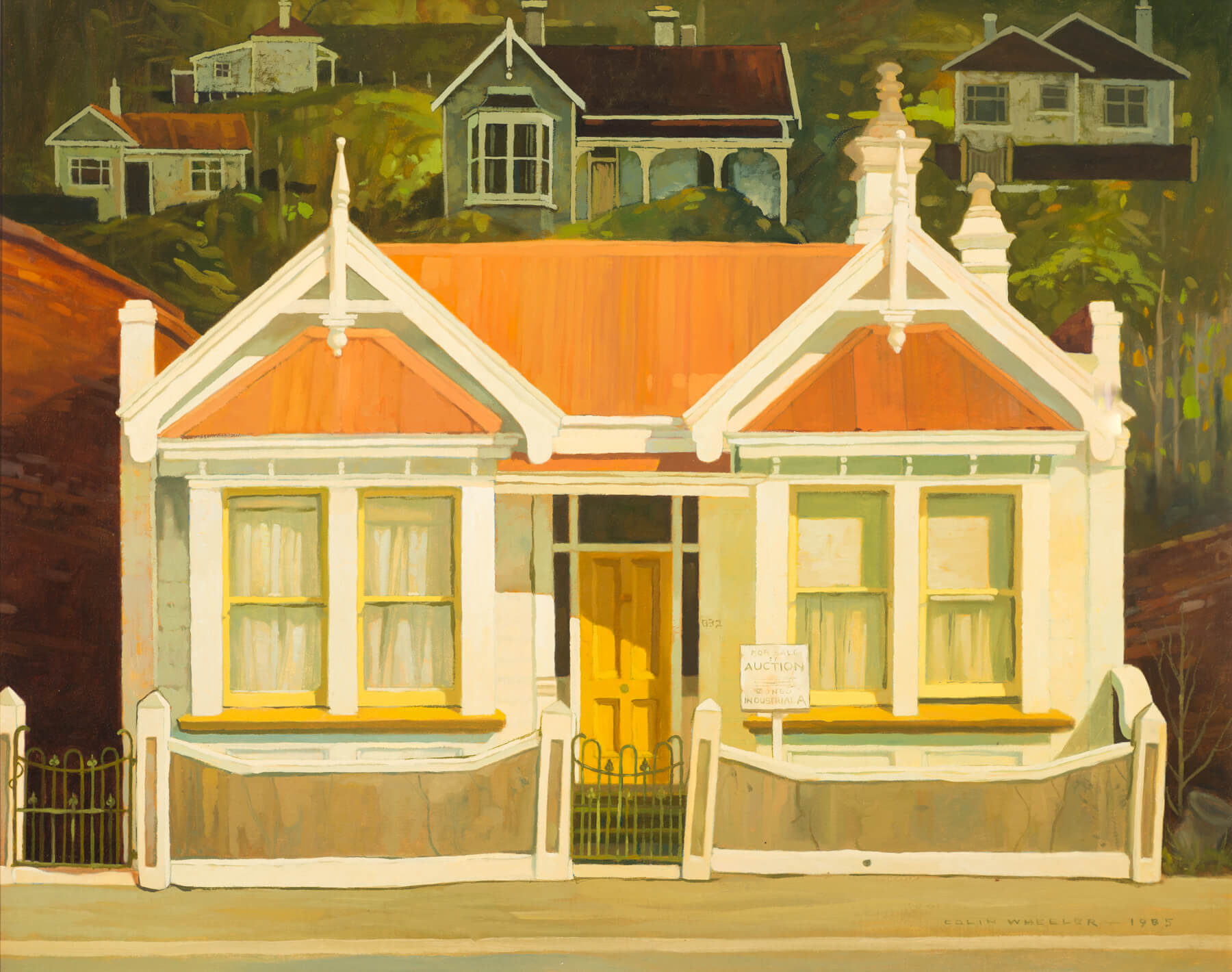
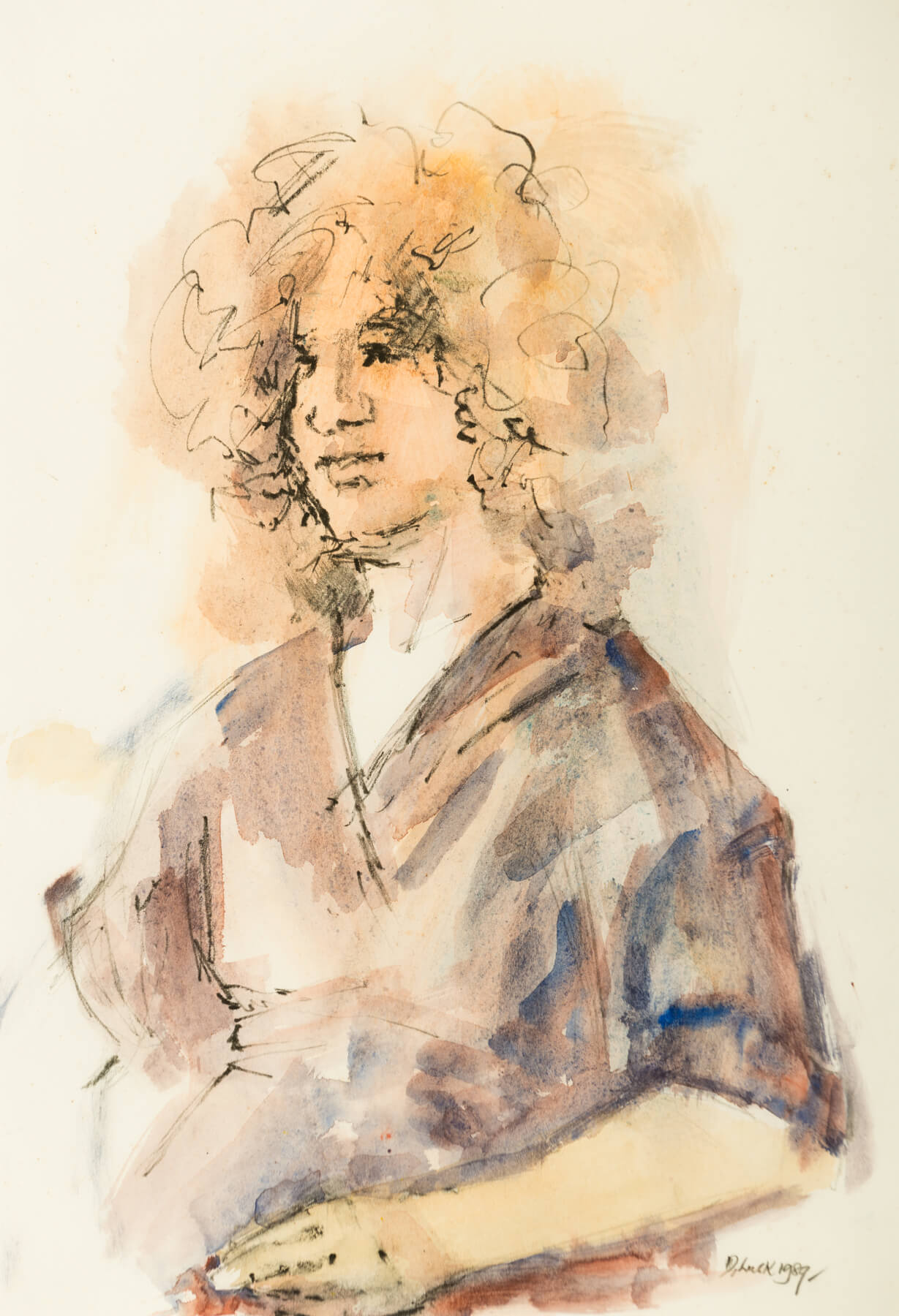
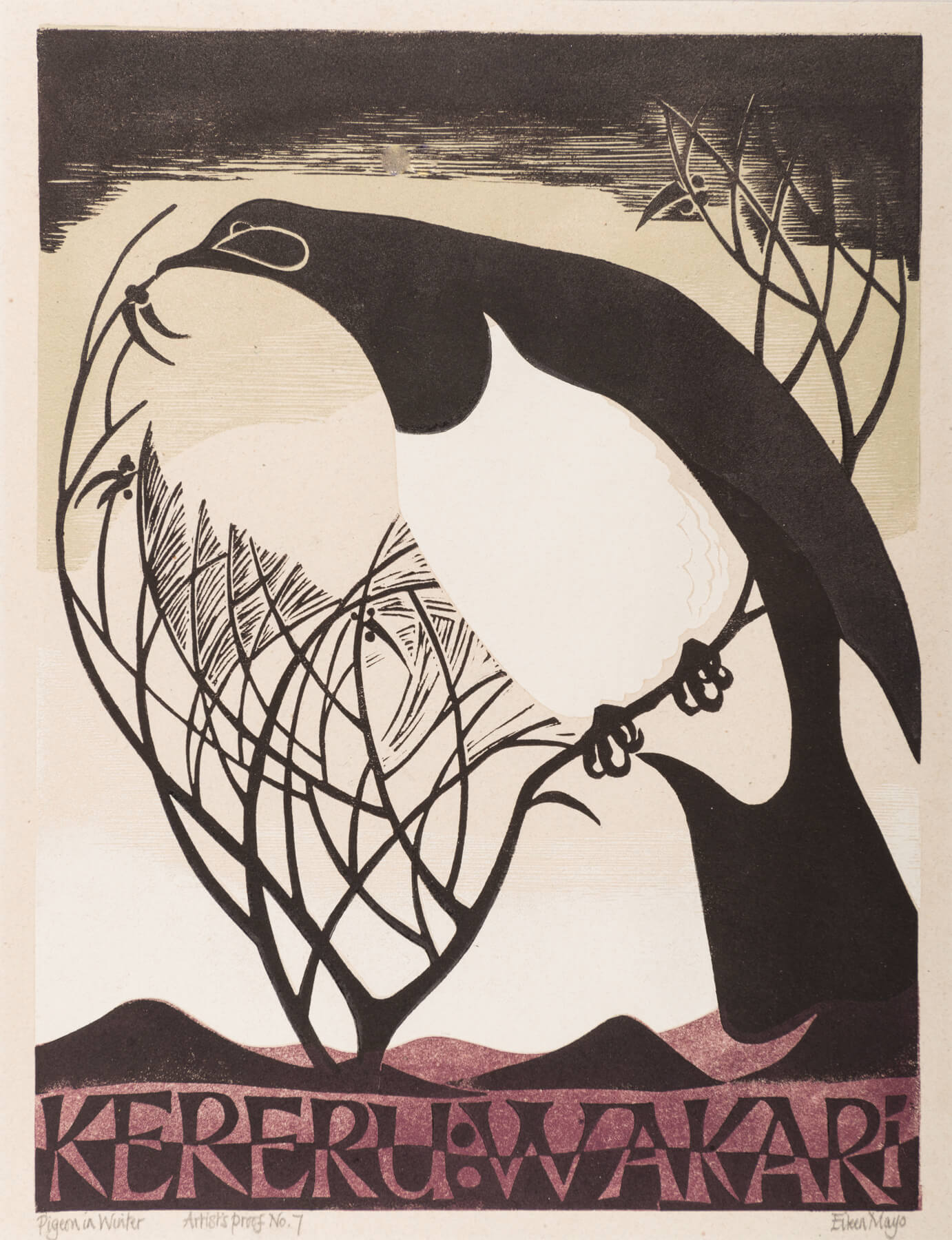
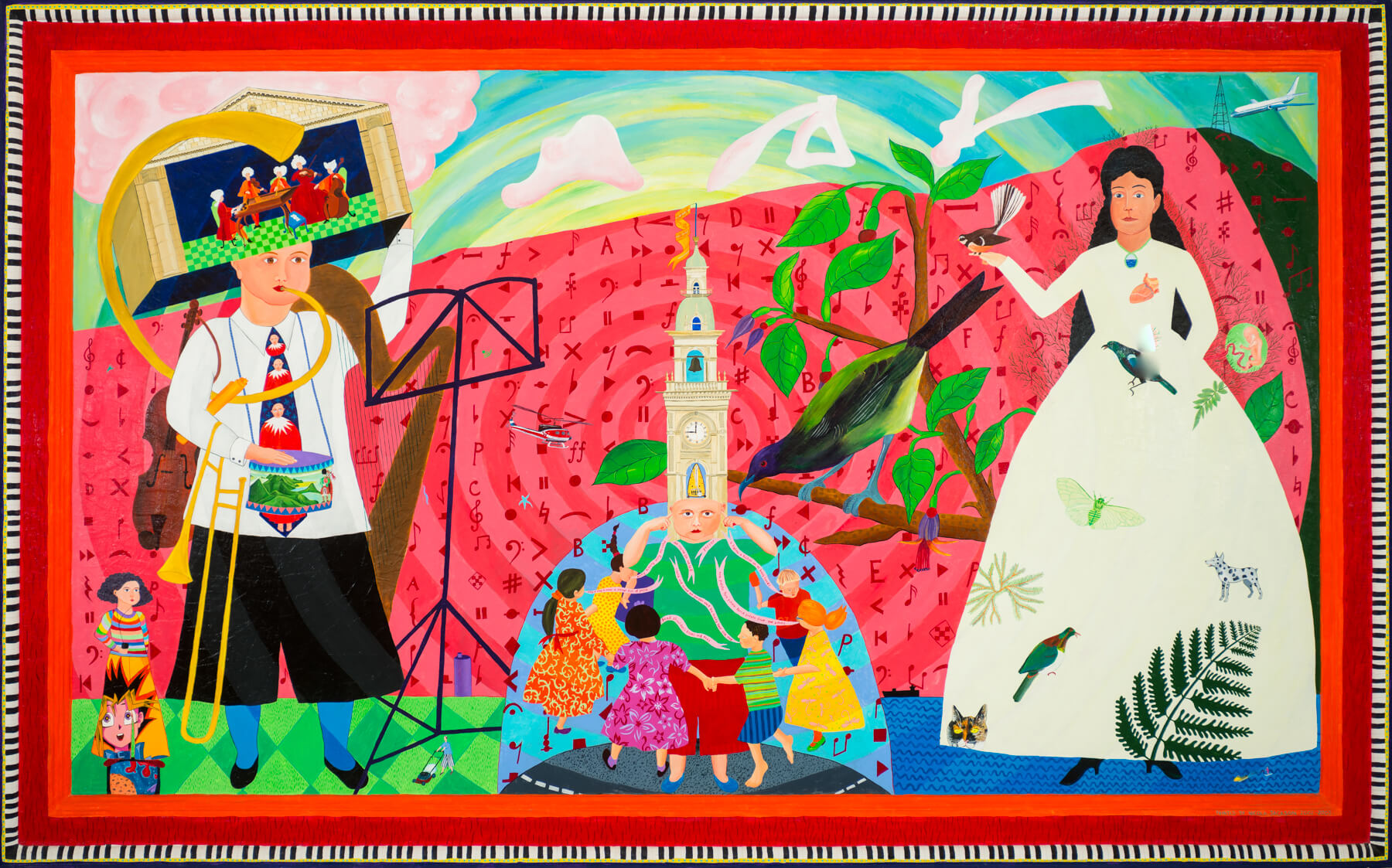
History of the Art Collection
History of the Art Collection
The history of the Dunedin Hospital art collection is detailed in a 2014 thesis by Christine Elizabeth Pamira Mulligan entitled: The Dunedin Hospital Art Collection: Architecture, Space and Wellbeing1
The following is an extract from that publication:
The Dunedin Hospital has developed significantly from its humble beginnings in a small timber constructed building in the 1850s and the converted New Zealand Exhibition building of 1866. In the 1950s the Otago Health Board sought advice from an internationally recognised firm of Australian hospital architects, Stephenson and Turner to upgrade their health facilities. At that time modern medicine and ideas of flexible hospital design had encouraged new solutions for hospital architecture. Twentieth-century hospitals were given a monumental form to symbolise the modernity within as machines à soigner, factories for healing. When it opened in 1980, the Ward Block and its associated medical facilities provided Dunedin with a purpose-built, state-of-the art modern hospital. Brutalist style architecture, having a modernist aesthetic opposing decoration had, however, produced an intimidating rather than welcoming exterior to the hospital.
The designing of the Ward Block coincided with a movement in the late 1960s to display original contemporary works of art in hospitals. As medical literature attested such kinds of art could benefit the wellbeing of patients, staff and visitors alike. In 1972, Dr Alan Clarke established the Dunedin Hospital art collection in response to this movement.
At this time the development of cultural theories had resulted in a more holistic approach to healthcare facilities and designers began to consider the emotional impact of space on wellbeing; however, architecture was slow to respond. The impetus to humanise the hospital was furthered in 1975 by the architects who acknowledged that the new Ward Block was inadequate on its own. Accordingly, the Otago Health Board was advised to seek expert assistance regarding the commissioning of professional artists for significant artworks in public areas of the Ward Block. Modernism, which had formerly spurned decoration, was now seen to require adornment, its acceptance of originals being in their honest expressions of truth and integrity.
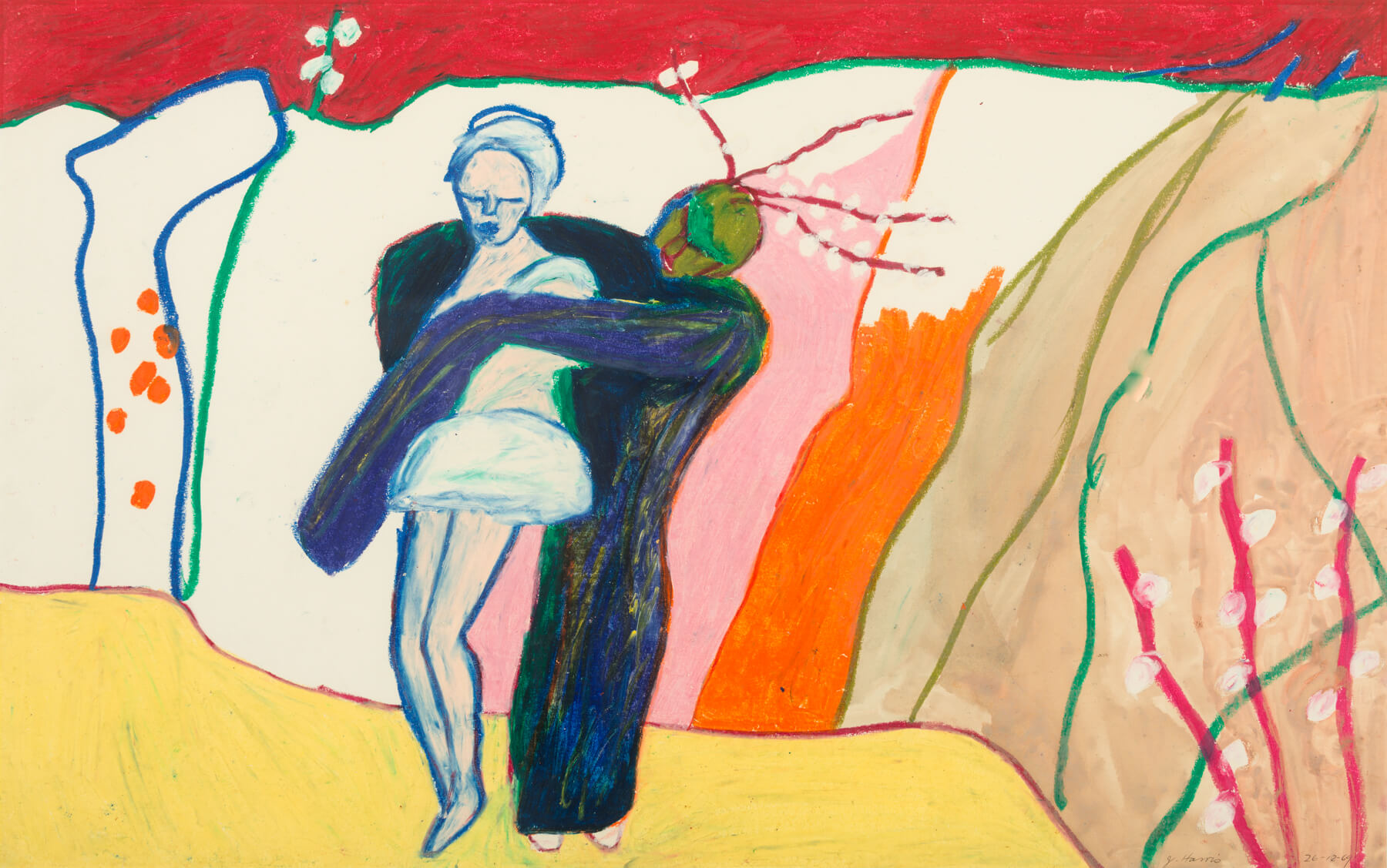
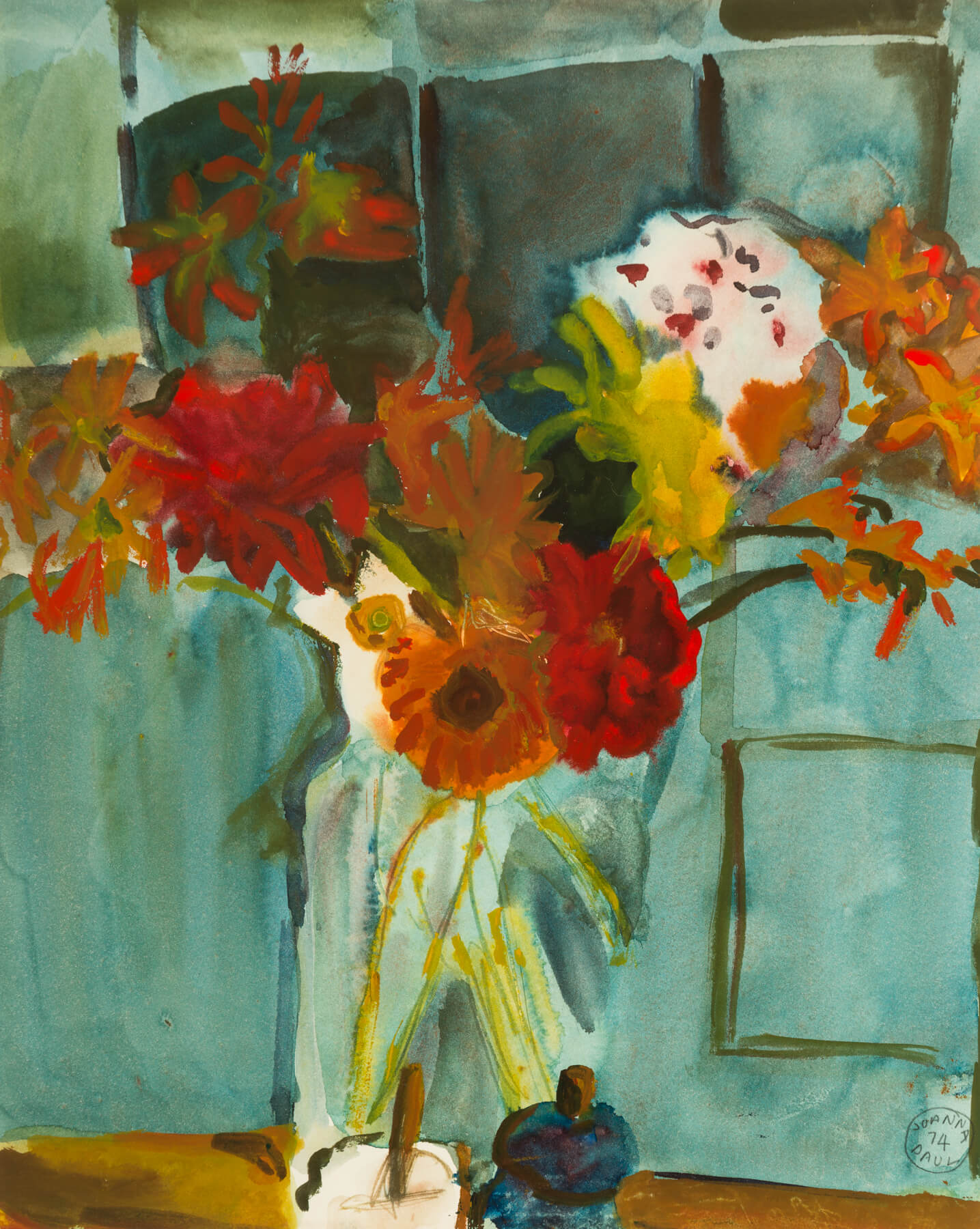
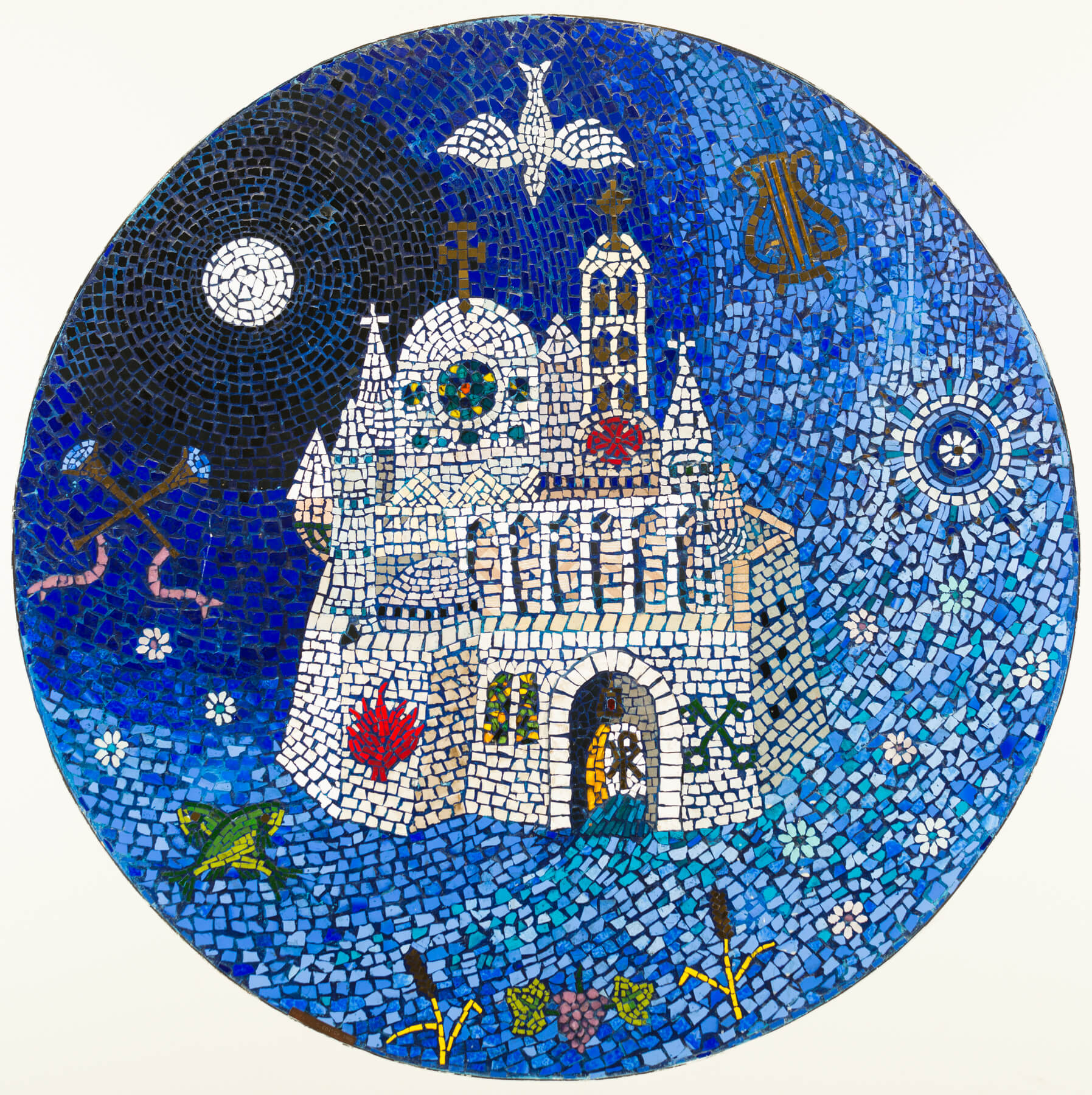
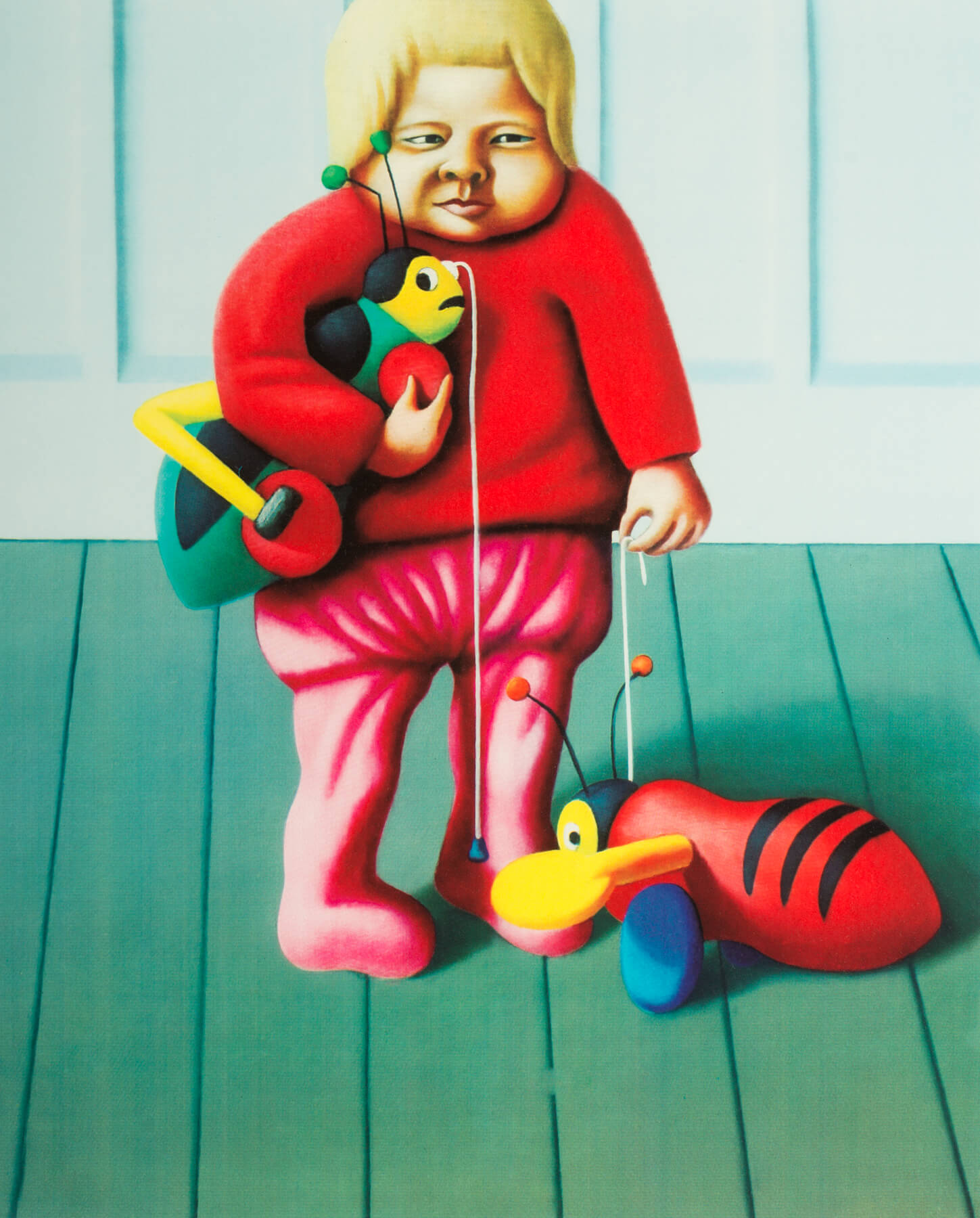
The Dunedin Hospital art collection has evolved over the years to become a beloved collection. Although the primary focus of the collection is the original work of professional artists, there are also many reproductions and memorabilia. The memorabilia, which are largely donated works, have acquired much sentimental value for staff and patients and in the context of what psychologists call contagion and performance can also be seen to influence the wellbeing of people in hospitals.
The display of fine art in hospitals has also been justified according to theories of art that consider the benefits of aesthetic wellbeing for ordinary people in everyday life. Even though they present museological issues, fine art collections in hospitals are identified as providing important cultural resources for communities and contribute a sense of dignity and worth to such institutions. The art collection that is contained in the Ward Block reminds us of the vital role attributed to original works of art in the humanising of the clinical and institutional spaces of the modern twentieth-century hospital.
In 1994, the Healthcare Otago Limited Crown Health Enterprise (CHE) intended to settle upon trust all of the “Cash and Investments subject to Restrictions” (the donated trust funds and bequests) and “Trust Assets” (the art collection). The Healthcare Otago Charitable Trust was duly formed on 30 June 1994 and the assets formally transferred on 1 July, 1994. Notes to the audited accounts as at June 30 1995 record that the value of the Artwork was $264,585 and was “…based on a valuation by Marshall Siefert and Peter Entwistle in February 1995.”
At the time. the artworks excluded “permanent fixtures”. It then appears that in 2002, that the “permanent fixtures” were also transferred into the Trusts ownership. The minutes of the Trust meeting in December 2002 note that the Otago District Health Board had decided not to insure any artwork under their material damage policy leaving the trust to assume ownership and responsibility for all the art works including the “permanent fixtures” such as Derek Ball’s – Kinetic Sculpture and Neil Grant’s – “Otago Peninsula”.
The trust is now the guardian of over 2,000 artworks.
- The Dunedin Hospital Art Collection: Architecture, Space and Wellbeing
Christine Elizabeth Panirau Mulligan
Master of Arts - MA, University of Otago
University of Otago
2014